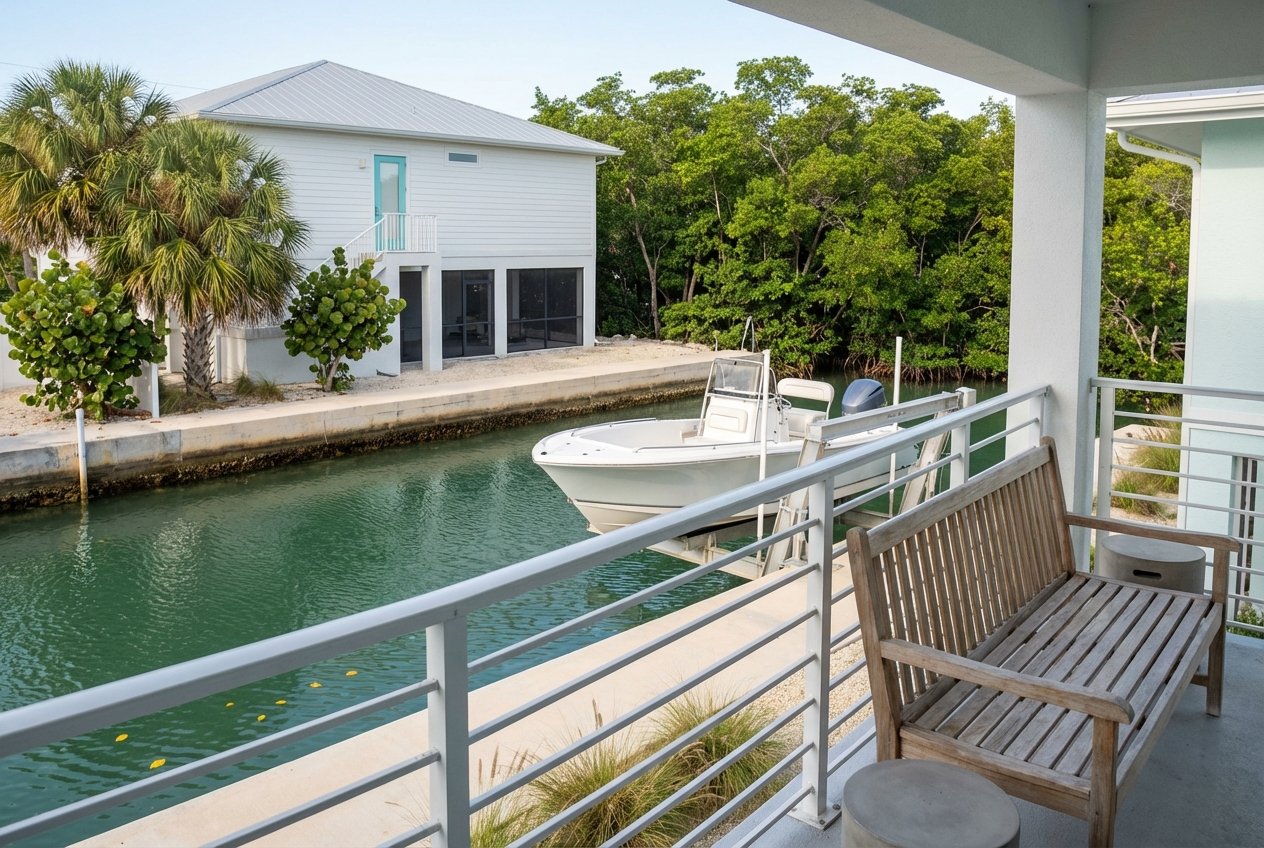
Which water calls to you: the open Gulf, a wide calm bay, or a quiet canal tucked behind your home? If you are buying on Anna Maria Island, that choice shapes your daily routine, your boating access, and even your maintenance and insurance. You want the right fit for your lifestyle and investment, not just a pretty view.
In this guide, you will learn how Gulf-front, bayfront, and canal-access homes differ on Anna Maria. You will see how each option performs for boating, beach time, privacy, permitting, and short-term rental rules. You will also get a practical checklist to use during due diligence. Let’s dive in.
Gulf, bay, and canal: what they mean here
Anna Maria Island is a 7-mile barrier island with the Gulf of Mexico on the west and Anna Maria Sound and Tampa Bay on the east. Waterfront is scarce and highly prized due to limited development and protected shorelines. You can read more about the island’s setting and scale on the Anna Maria Island overview.
- Gulf-front: Directly on the Gulf of Mexico with open-water views, beach frontage, and stunning sunsets. Most Gulf addresses are about sand, surf, and sky rather than private boat moorage.
- Bayfront: On Anna Maria Sound, Tampa Bay, or adjacent protected bays. These homes often have private docks, calmer water, and broad bay views.
- Canal-access: On man-made or dredged canals that connect to the bay or the Intracoastal. Canals vary in width and depth. The term “sailboat water” in listings is marketing shorthand and not a standard. Always confirm depths and clearances for your vessel, as noted in this local explainer on what “sailboat water” really means.
Boating and navigation access
Gulf-front reality
Gulf-front is about immediate beach and big views. Most lots do not support deep private moorage at the shoreline. If boating is part of your routine, you will likely trailer to a public ramp or keep a slip at a marina, then run out through nearby passes. If private dockage is a must-have, Gulf-front is not automatically the right choice.
Bayfront convenience
Bayfront homes often have private docks and more sheltered access to Tampa Bay and the Intracoastal. For frequent boaters, docking behind the house can be ideal. Still, confirm whether the property sits on a maintained channel or if you must cross shallow flats. A helpful local comparison of bayfront and canal realities is here: bayfront vs canal-front on Anna Maria Island.
Canal access varies by street
Canals on Anna Maria were dredged in different eras and can be shallow at low tide. Canal mouths may shoal, and turning room can be tight near bends. For listings that promise “sailboat water,” validate your actual draft and air-draft clearance. The decisive number is depth at mean low water. Learn why that matters in this note on verifying “sailboat water” claims.
Boat fit mini-checklist
Before you write an offer, answer these three questions and make your offer contingent on verification:
- Will my boat fit at mean low water at the dock and along the full route to a maintained channel? Use NOAA tidal benchmarks and charts to frame measurements.
- Will I clear all fixed bridges and overhead lines to my destination? If you sail, confirm mast height allowances.
- Will I have safe turning room at my slip and at canal bends? For context and local routing tips, see this boater’s guide to Anna Maria canal and Gulf access.
Ask for measured soundings at mean low water, route-to-channel depths, and known shoaling points as part of your due diligence.
Views, beach, and lifestyle
- Gulf-front: West-facing light, dramatic sunsets, and direct sand access. It is the classic beach lifestyle and strong for daily swimming and shelling.
- Bayfront and canals: Calmer water, morning light, and great wildlife viewing. East-side waters support seagrass beds and frequent visits from wading birds and manatees, which is a draw for nature lovers. Explore area resources on local seagrass and habitat.
If you live on the bay or a canal, you will usually head a short distance to a Gulf access point for beach days. Many owners use bikes or golf carts for quick trips to public beach entries.
Privacy and activity patterns
- Gulf-front can feel lively near popular beach accesses and around village nodes. Sunset hours increase foot traffic in these areas.
- Bayfront and canal streets tend to feel more residential day to day, with intermittent boat noise near maintained channels rather than continuous beachgoer activity. For a practical comparison, see this discussion of bayfront vs canal character.
Maintenance, permits, and insurance
Docks, lifts, and dredging
For canal and bayfront homes, a dock or lift is a major value-driver. Usability depends on depth at mean low water, turning radius, and route clearances. Shoreline work is regulated, and some small residential dock projects may be exempt, but dredging almost always needs approvals. Review permitting basics here: Florida environmental permits overview.
Seawalls and shoreline care
Bayfront seawalls typically face gentler conditions than open Gulf exposures but still age and can be costly to repair or replace. Get inspections and repair histories, since these items can affect closing timelines and insurance. See the same permit overview for seawall considerations.
Flood zones and insurance
Barrier-island waterfronts face flood and surge risk. Early in the process, confirm the FEMA flood zone, obtain an elevation certificate, and get written quotes for flood, wind, and homeowners coverage. Start with the City’s page for NFIP flood maps and resources. Local jurisdictions participate in FEMA’s Community Rating System to varying degrees, which can influence NFIP premiums.
Short-term rental rules
Short-term rental regulations differ across the island’s three cities. In the City of Anna Maria, vacation rentals require registration, inspections, occupancy calculations, and specific postings. If rental income is part of your plan, verify current rules and eligibility for the exact address. Review the City’s guidance on vacation rental requirements.
Market context at a glance
Waterfront on Anna Maria Island is scarce and sought after, so Gulf, bay, and canal homes typically command a premium over inland properties. Buyers weigh lifestyle benefits and views against flood exposure and capital needs like seawall or dock work. Expect top buyers to price in both access and resilience.
Decision guide: match your goals
- If you want daily beach life and sunsets: Choose Gulf-front and plan off-site moorage if boating is important.
- If you want a boat in your backyard and quick bay runs: Focus on bayfront and select canals that feed maintained channels. Confirm depths at mean low water and turning room.
- If you want a quieter, nature-forward setting for paddling and birdwatching: Consider sheltered bayfront or canal locations with healthy seagrass and wildlife.
- If you want strong rental potential: Model short-term rental rules by city, then build a conservative pro forma that includes higher insurance and capital reserves.
Buyer due diligence checklist
Use this list during your inspection period and make key items contract contingencies:
- Flood and elevation: Confirm the FEMA zone and request the seller’s elevation certificate. Start with the City’s NFIP flood map resources.
- Insurance: Get quotes for flood, wind, and homeowners coverage early. Ask how local CRS participation affects premiums.
- Dock depth and route: Require measured depth at mean low water at the dock and along the route to a maintained channel. Reference NOAA benchmarks and charts and confirm fixed bridge clearances.
- Permits and approvals: Request copies of all permits for docks, lifts, seawalls, or dredging and verify no open violations. See the Florida environmental permit overview.
- Seawall and dock condition: Order a marine contractor inspection and written estimates for any needed work.
- Canal maintenance: Ask who maintains the canal and whether assessments or dredging schedules exist. For context, see this local boater’s guide to canal access.
- Short-term rental compliance: Verify current registration status, occupancy, and minimum-stay rules with the municipality. Review the City’s vacation rental requirements.
Ready to compare addresses the right way?
Choosing between Gulf, bay, and canal is about aligning daily life, boat use, and investment plans with the right piece of shoreline. When you balance lifestyle with clear due diligence on depth, permits, flood zone, and STR rules, you move forward with confidence.
If you want a private, curated search and hands-on guidance from a boutique luxury advisor, connect with Kathy Harman. We will map your priorities to the right waterfront and manage the details from first tour to closing.
FAQs
What is the biggest difference between Gulf-front and bayfront homes on Anna Maria Island?
- Gulf-front gives you direct sand and sunset views, while bayfront more often provides private docks and sheltered boating access to Tampa Bay and the Intracoastal.
How do canal depths affect everyday boating on Anna Maria?
- Canal depths vary and can be shallow at low tide, so you should verify depth at mean low water at the dock and along your route, plus any fixed bridge clearances, before you buy.
What permits are needed to replace a dock or seawall on Anna Maria Island?
- Many shoreline projects require approvals from local, state, and sometimes federal agencies, and dredging almost always needs permits. Review the Florida permit overview and check existing approvals before closing.
How do flood zones impact insurance costs for Anna Maria waterfronts?
- Flood zones, elevation, and local CRS participation all influence premiums. Get quotes early and review the City’s NFIP flood map resources to understand your risk profile.
What short-term rental rules apply in the City of Anna Maria?
- Vacation rentals require registration, inspections, occupancy calculations, and posted information. Confirm eligibility and current rules for your exact address with the City’s vacation rental page.