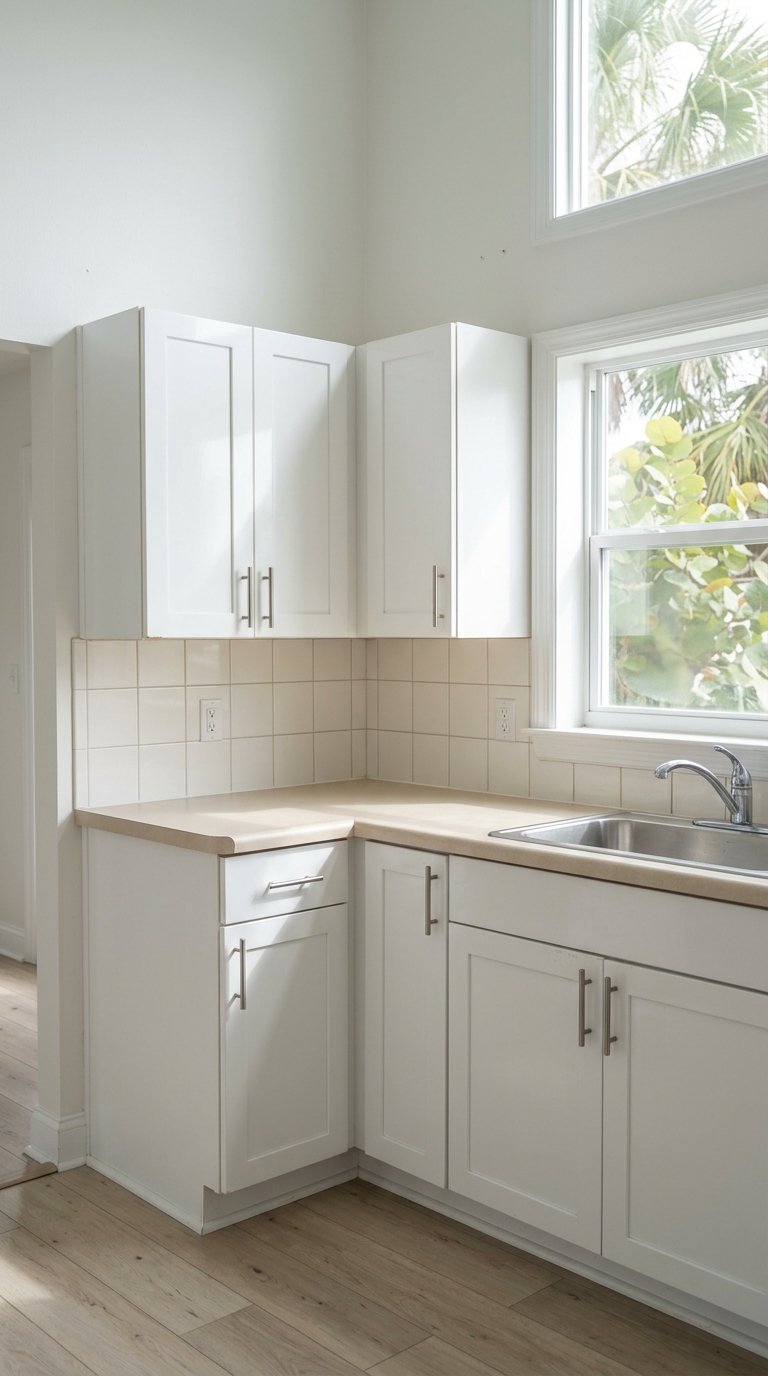
Wondering whether a move-in-ready island home is worth the premium, or if a renovation project could be the smarter play in Anna Maria? If you are buying in this barrier-island market, that choice affects more than your budget. It also shapes your timeline, stress level, and how much coordination you will need from afar. This guide will help you weigh convenience against customization so you can choose the right fit for your goals. Let’s dive in.
Anna Maria Market Context
Anna Maria is a high-price coastal market where patience often matters. Realtor.com shows a median listing price of about $2.99 million and an average of 77 days on market, while Redfin reported a median sale price of $1.96 million and 111 median days on market in March 2026. Those figures use different methods, but together they point to premium pricing and a slower pace than many mainland areas.
That slower pace can create opportunity, but it does not remove the need for careful planning. In Anna Maria, your decision between turnkey and renovation-ready should include not just price and finishes, but also site conditions, permitting steps, and your comfort with managing details.
Why Anna Maria Changes the Equation
On Anna Maria, the property itself is only part of the story. The City of Anna Maria says the entire city is within the 100-year floodplain and a special flood hazard area and coastal high hazard area. That means buyers looking at renovation-ready homes should think about flood insurance, elevation, and floodplain review from the start.
For many buyers, especially second-home owners and seasonal residents, that reality makes predictability more valuable. A home that is already updated and ready for use may offer a simpler path than a property that needs work and additional review before improvements can begin.
Turnkey Homes: Best for Speed and Simplicity
A turnkey home is usually the easiest path if you want to start enjoying Anna Maria right away. You can move in sooner, avoid months of construction activity, and limit the number of decisions that come after closing. That can be especially appealing if you live out of state or plan to use the property seasonally.
Turnkey homes can also align well with current buyer preferences. Zillow’s 2026 research found that turnkey homes sold for 2.9% more than expected, remodeled homes sold for 2.2% more, and fixer-uppers sold for 14% less than similar homes. Zillow also found that homes with lifestyle-driven amenities and move-in-ready finishes could sell for as much as 5.4% more than expected.
That does not mean every turnkey property is automatically the better buy. It does suggest, though, that many buyers are willing to pay for convenience, presentation, and a more seamless ownership experience. In a luxury island market, that premium often reflects time saved and uncertainty avoided.
When turnkey makes the most sense
Turnkey is often the better fit if you:
- Want to use the home soon after closing
- Prefer a low-disruption purchase
- Live part-time or out of state
- Want fewer moving parts during ownership
- Value polished finishes and a more predictable budget
For remote clients, this can be a major quality-of-life decision. Fewer contractors, fewer permits, and fewer scheduling issues often mean a smoother purchase from contract to closing.
Renovation-Ready Homes: Best for Customization
A renovation-ready home can be attractive if you want to shape the property around your own style or priorities. It may also offer a lower entry point than a fully updated home in the same area. If you are comfortable managing a project, that flexibility can be appealing.
Still, it is important to stay realistic about value creation. Realtor.com’s Anna Maria market guidance says minor cosmetic updates such as paint, fixtures, and landscaping typically pay off, while major renovations rarely return their full cost. The same source notes that as-is listings often attract investors and flippers at 10% to 20% below market value.
That is a useful reminder in Anna Maria. A fixer-upper is not automatically an easy equity play. In many cases, the strongest opportunity comes from selective improvements, not a full gut renovation.
When renovation-ready may be the better fit
A renovation-ready home may work well if you:
- Want to personalize finishes or layout
- Are comfortable with a longer timeline
- Can manage added complexity
- See value in targeted cosmetic updates
- Have trusted local support for oversight
If your vision is clear and your project scope is disciplined, a renovation-ready purchase can still make sense. The key is matching the project to your time, budget, and risk tolerance.
The Real Trade-Off: Permits and Process
In Anna Maria, renovation planning should start with the city process, not with paint colors. The city requires permits through its online Citizen Portal and does not accept in-person permit submittals. Permit fees are also paid online.
The review process includes Engineering, Public Works, Planning, and Floodplain review before Building review. City FAQs also state that separate electrical, plumbing, and mechanical permits are required, and work cannot legally begin before the permit is issued. That adds time and coordination, especially for buyers hoping to close and start work immediately.
For a simple cosmetic refresh, the burden may be manageable. For larger projects, the paperwork, approvals, and sequencing can become a serious factor in your decision.
Floodplain issues matter early
Because Anna Maria sits entirely in a flood-sensitive area, renovation plans may require more than standard design decisions. The city’s permit packet indicates that major permit work can require flood-related submittals such as elevation certificates. That means the feasibility, cost, and timing of improvements can be affected before construction even starts.
If you are comparing two homes at similar price points, this is where turnkey often gains an edge. A house that has already cleared major update hurdles may save you time and reduce uncertainty.
Remote Buyers Need a Clear Support System
If you are buying from another state, a renovation project is possible, but it needs structure. The City of Anna Maria provides forms for a Property Owner Authorized Agent and a Contractor Agent Authorization, and its building department works with residents, contractors, and agents. The city also allows private providers for plan review and inspections.
That framework makes delegation possible, which is helpful for absentee owners. Local home-watch and property-management firms in the Anna Maria Island area also advertise services like contractor access, maintenance coordination, completion verification, and online owner portals. While service levels vary by company, that kind of local support can make a project more manageable.
Why owner-builder is usually not ideal
Florida law makes owner-builder status a poor fit for most remote buyers and investor owners. The state disclosure says an owner-builder must personally appear and sign, provide direct onsite supervision, and may not rely on unlicensed help. The law also creates a presumption of sale-or-lease intent if the home is sold or leased within one year after completion.
For most second-home buyers and absentee owners, that is more burden than benefit. Working with properly structured local support is usually the more practical route.
A Simple Way to Choose
If you are deciding between turnkey and renovation-ready in Anna Maria, ask yourself one main question: do you want your next chapter to begin with enjoyment or with project management?
Choose turnkey if you value speed, certainty, and a polished result from day one. Choose renovation-ready if customization matters more, and you are prepared for the added work that can come with permitting, floodplain review, and contractor coordination.
In this market, a balanced strategy often works best. A home with strong bones and limited cosmetic needs may offer the sweet spot, giving you room to personalize without taking on a full-scale renovation burden.
What buyers often overlook
Many buyers focus on list price and visible finishes first. In Anna Maria, you should also weigh:
- How quickly you want to use the property
- Whether you will manage the home remotely
- The likely permit path for planned improvements
- Floodplain and elevation considerations
- Whether your updates are cosmetic or structural
- Your tolerance for delay and decision fatigue
Those factors can affect your ownership experience just as much as the purchase price. In a barrier-island setting, the easier home is sometimes the wiser home.
If you want a purchase that feels effortless, discreet, and well-managed, it helps to have local guidance from the start. Kathy Harman offers a concierge approach for Anna Maria Island buyers who want clear advice, remote-friendly coordination, and a property that truly fits the way they plan to live.
FAQs
Should I buy a turnkey home in Anna Maria if I live out of state?
- A turnkey home is often a strong fit for out-of-state buyers because it can reduce construction delays, permit coordination, and day-to-day oversight.
Are fixer-uppers in Anna Maria always a good value?
- Not always. Realtor.com’s Anna Maria market guidance suggests minor cosmetic updates often pay off more reliably than major renovations, which may not return full cost.
Do Anna Maria renovation projects require permits?
- Yes, many projects require permits through the City of Anna Maria’s online system, and work cannot legally begin before the permit is issued.
Why does floodplain status matter for Anna Maria homes?
- The City of Anna Maria says the whole city is within the 100-year floodplain and special flood hazard area, so flood insurance, elevation, and floodplain review can affect renovation planning.
Can remote buyers renovate an Anna Maria home successfully?
- Yes, but it usually works best with a clear local support team, such as authorized agents, licensed contractors, and property oversight services.
Is owner-builder status a smart option for Anna Maria second-home buyers?
- Usually no. Florida’s owner-builder rules require personal appearance, direct onsite supervision, and compliance limits that can make this approach impractical for absentee owners.