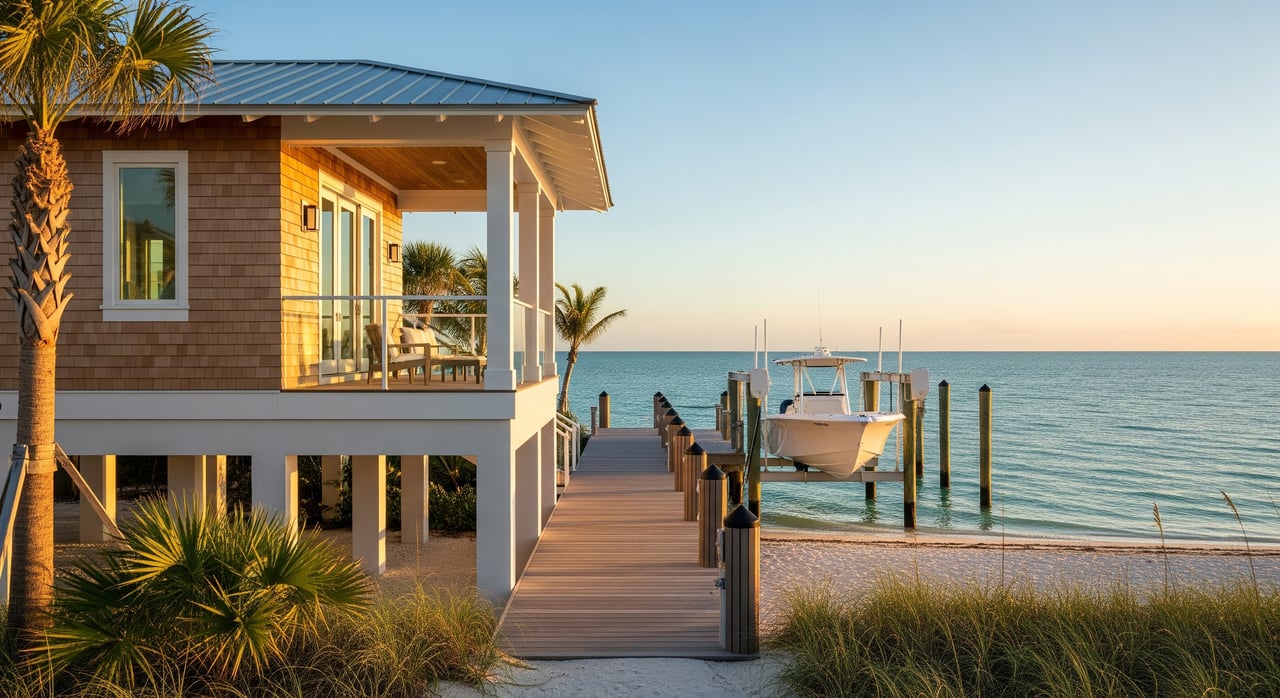
Thinking about a second home on Anna Maria Island? The sunsets and sugar-sand beaches make it easy to fall in love, but the real win is knowing your numbers before you buy. As a coastal owner, you face unique expenses that look different from inland markets, especially for remote, luxury properties. In this guide, you’ll learn the key cost drivers, island-specific nuances, and a practical way to build a reliable annual budget. Let’s dive in.
What drives annual costs
Mortgage and financing
For second homes, lenders often require larger down payments and stronger reserves than for primary residences. Your monthly payment depends on your rate, term, and loan structure. Get a pre-approval tailored to second-home guidelines so you understand debt service and cash reserve expectations before you shop.
Property taxes and assessments
Property taxes are based on Manatee County millage rates plus local assessments. Bills can include non-ad valorem items such as stormwater or wastewater. Review 3 to 5 years of tax history and ask for current-year prorations to understand trends and potential changes.
Insurance in coastal Florida
Insurance is often the largest variable cost for island ownership. You’ll price homeowners coverage, wind or hurricane coverage with percentage-based deductibles, and separate flood insurance if your lender requires it or your risk profile suggests it. The Florida market has seen volatility, so start quotes early, verify mitigation features like roof age and impact windows, and request the property’s historical premiums and any claim history.
Utilities and services
Electricity is usually the biggest utility cost due to air conditioning. Water and sewer service can vary by municipality, and some homes may have septic systems that need periodic maintenance. Plan for trash and recycling schedules that differ by city, and confirm cable or internet options if you need dependable remote monitoring.
HOA and condo dues
If you buy into a condo or HOA, dues may include building insurance, exterior maintenance, reserves, landscaping, trash, and common-area utilities. Ask for the current budget, reserve study, insurance certificates, and recent meeting minutes. Look for pending special assessments, litigation, or planned capital projects that could affect your budget.
Management and concierge options
Remote owners often rely on property managers and concierge services. Fees vary based on scope, from simple monthly checks to full-service short-term rental operations. Confirm service levels, emergency response times, vendor policies, and reporting so you know exactly what is covered.
Maintenance and reserves
Coastal exposure accelerates wear, so plan for regular HVAC servicing, pool care, pest control, exterior painting, and dock or deck maintenance. Many owners start with a maintenance reserve at 1 to 3 percent of the property’s value each year, then adjust for age, condition, and proximity to the Gulf.
Seasonal and storm readiness
Hurricane preparedness includes shutters or impact windows, generator servicing, pre-storm boarding, and debris removal. Deductibles are often percentage-based, so have a separate storm reserve for rapid response and repairs. A clear pre- and post-storm plan protects both your property and your schedule.
Rental taxes and compliance
If you plan to rent, account for transient rental taxes at the county and state levels, plus any local registrations, permits, inspections, and renewal fees. Short-term rentals add cleaning, linen service, and higher turnover maintenance to your budget.
Travel and coordination
Factor in owner travel for inspections or seasonal openings. Many owners offset trips by using concierge coordination for deliveries, provisioning, and vendor access, but these services come with their own fees.
Island factors that change the math
Municipal differences by address
Anna Maria Island includes the City of Anna Maria, Holmes Beach, and Bradenton Beach. Trash collection, utility providers, and rental regulations can differ by city. Confirm rules and service details for the exact property location before you finalize your budget.
Salt air and accelerated wear
Salt, sun, and humidity increase corrosion and reduce the life of exterior finishes, metal fixtures, and HVAC equipment. Choosing coastal-grade materials and keeping a preventive maintenance schedule will help control long-term costs.
Hurricane and flood exposure
Barrier islands face wind, surge, and flood risk. FEMA flood zones and local floodplain rules can influence insurance requirements and premiums. Elevation, roof attachments, and impact-rated openings can reduce damage and may help with insurance pricing.
Florida insurance market dynamics
Coastal insurance availability and pricing can change with underwriting rules and reinsurance costs. Expect careful review of property age, condition, roof type, and mitigation features. Shop multiple carriers and review coverage limits and deductibles with a local expert.
Short-term rental demand and rules
Vacation demand on Anna Maria Island is strong, but each city sets its own compliance framework. Your carrying costs may be offset by rental income, yet you must budget for higher turnover expenses, furnishing, platform fees, and ongoing compliance.
Utilities and infrastructure
Service areas for water and sewer do not always align with city limits, and some properties use septic systems. Internet speeds and redundancy options can matter if you plan to manage remotely or use smart-home devices for oversight.
Labor and vendor availability
Contractors on barrier islands can be booked months in advance, especially after storms or during peak season. Build time and cost flexibility into your plan, and document preventive maintenance to avoid emergency premiums.
Build a reliable budget
Get the right documents
Collect 12 months of utility bills, the current insurance declarations page, and any claim history. Request HOA or condo budgets, reserve studies, meeting minutes, and insurance certificates. Pull recent tax bills and assessment history, and confirm the FEMA flood zone and any elevation certificates.
Local sources to check
Review records from the Manatee County Property Appraiser and Tax Collector. Visit municipal sites for trash schedules, permitting, and short-term rental rules. Consult FEMA flood maps and speak with a local insurance agent who understands Manatee County coastal underwriting.
Create an annual cost model
Break your model into fixed, variable, and reserve categories:
- Fixed: property taxes, base insurance premiums, HOA or condo dues, property-management retainers.
- Variable: seasonally adjusted utilities, repairs, landscaping, pool, pest control, concierge fees, and travel.
- Reserves: hurricane response and major replacements like roof, HVAC, windows, or dock.
- Rental line items if applicable: vacancy assumptions, cleaning and linens, booking or channel fees, and transient taxes.
Use conservative assumptions
Coastal properties benefit from conservative estimates. Adjust maintenance reserves upward for salt exposure and age, and assume realistic timelines for repairs. Treat insurance and storm reserves as non-negotiable core items, not optional extras.
Validate with local pros
Request 2 to 3 insurance quotes and management proposals with detailed scopes, fees, and response times. Ask qualified contractors to evaluate big-ticket systems like the roof, HVAC, windows, and docks. Review HOA reserve studies and ask about expected special assessments.
Practical checklist most buyers miss
- Generator fuel or annual service plan
- Elevator service contracts in condos
- Dock, lift, and seawall inspections and repairs
- Mold and humidity mitigation treatments
- Termite and wood-destroying organism inspections
- STR permits, business tax receipts, and safety checks
- Seasonal provisioning, linen replacement, and inventory
- Utility and security services maintained during vacancies
Ownership profiles to compare
Seasonal use, no rentals
You visit throughout the year and keep the home private. Your key costs are taxes, insurance, utilities, management or concierge, routine maintenance, and a robust storm reserve. You will want reliable local vendors and scheduled inspections to spot issues early.
Full short-term rental operation
You aim to offset ownership costs with vacation-rental income. Add marketing or channel fees, cleaning and linen turnover, rapid-response maintenance, guest communications, and compliance. Expect higher wear and plan for replenishing furnishings and inventory.
Remote management that works
Service levels and fees
Property managers handle day-to-day maintenance, vendor coordination, inspections, and emergency response. For rentals, they also manage guest turnover. Concierge services can add provisioning, owner-arrival preparation, and personal scheduling. Fee structures vary by scope, percentage of rent, and whether services are bundled or a la carte.
Contract must-haves
Define emergency response times, inspection frequency, vendor insurance requirements, and how markups are handled. Require clear financial reporting and reserve tracking. Confirm key access protocols, smart-lock management, and pre- and post-stay checklists if you rent.
Tech toolkit for oversight
Remote thermostats, water-leak sensors, and security systems help prevent losses and reduce surprise bills. Ask your manager for digital access to invoices, inspection photos, and receipts so you can monitor spend in real time.
Cost-saving moves
Documented preventive maintenance reduces emergency repairs and claims. Investing in mitigation like impact windows or improved roof attachments can reduce risk and may help with insurance pricing. Bundling services like landscaping, pool, and pest control can tame variable costs.
What to do next
- Define your use plan: private retreat or rental-friendly. It shapes every budget line.
- Assemble documents: utilities, insurance, HOA, tax history, flood zone, and permits.
- Price insurance early: compare multiple carriers and confirm deductibles.
- Build your model: fixed, variable, storm reserve, and capital reserve.
- Validate with local experts: property managers, contractors, and insurance agents.
When you want a discreet, turnkey approach backed by deep local knowledge, connect with a trusted island advisor who can streamline quotes, coordinate vendors, and keep your budget realistic from day one. To discuss your goals and the right fit on Anna Maria Island, reach out to Kathy Harman.
FAQs
What are the biggest cost wildcards on Anna Maria Island?
- Insurance and storm-related reserves tend to be the most variable, while taxes and HOA dues are more predictable once known.
How much should I budget for maintenance each year?
- A common starting point is 1 to 3 percent of property value annually, then adjust for coastal exposure, age, and amenities after consulting local contractors.
Can short-term rentals cover most of my carrying costs?
- It is possible in high-demand seasons, but success depends on occupancy, pricing, management fees, transient taxes, and higher turnover and maintenance costs.
How do hurricanes affect long-term ownership costs?
- Storms can trigger repair expenses, percentage-based deductibles, and downtime that delays rentals, so a dedicated hurricane fund and emergency plan are essential.
What should I expect to pay for property management and concierge?
- Fees vary by scope, from modest retainers for periodic checks to higher percentage-based fees for full short-term rental operations, plus separate cleaning and concierge charges.