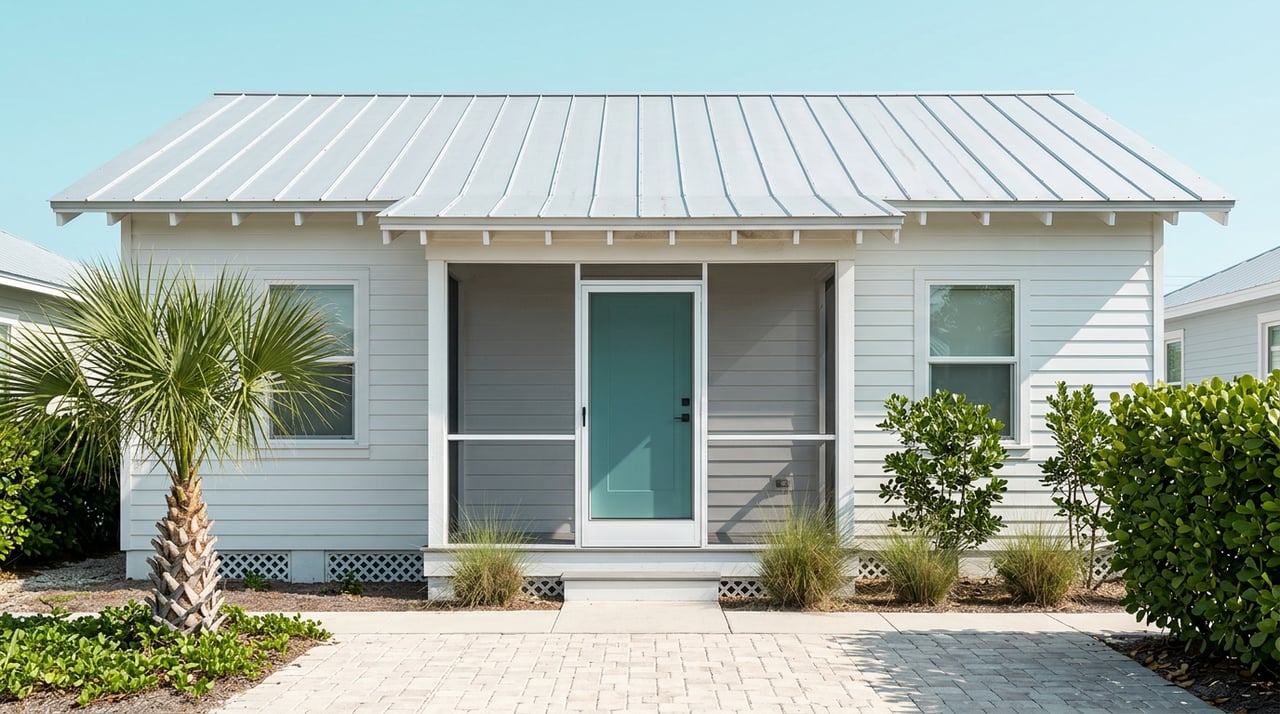
Is your perfect Anna Maria home a storybook cottage tucked under palms or a sleek new-build lifted above the breeze? On this laid-back barrier island, you can choose between timeless “Old Florida” charm and elevated, modern convenience. Each path offers a different mix of lifestyle, maintenance, insurance, and permitting considerations. By the end of this guide, you’ll know how to spot each style, what tradeoffs to expect, and how to match a home to your goals. Let’s dive in.
How the island shapes your choice
Anna Maria sits at the quiet north end of Anna Maria Island, a low-rise barrier island celebrated for its cottages, walkable Pine Avenue, and a strong preference for small-scale charm over high-rise development. That character is a big part of the appeal, as highlighted in this island snapshot from Southern Living. At the same time, the island’s low elevation brings real-world flood and storm-surge considerations to every property decision.
Flood zones and Base Flood Elevations vary parcel by parcel. Before you compare options, confirm a home’s exact flood zone and panel through the FEMA Map Service Center and review local overlays with Manatee County’s flood zone tool. The City of Anna Maria enforces the Florida Building Code 8th Edition, effective December 31, 2023, along with local floodplain rules. New construction and substantial improvements in mapped Special Flood Hazard Areas must meet current elevation and coastal-construction standards, which can influence whether a vintage cottage can be remodeled in place or needs elevation or a full rebuild. You can review local permitting guidance through the City of Anna Maria Building Department.
Three common home styles on Anna Maria
Classic “Old Florida” cottages
You’ll recognize these by their modest footprints, lap or wood siding, covered porches, simple gable roofs, and cheerful paint palettes. Many are wood-frame with period details like beadboard and transom or double-hung windows. They are deeply tied to the island’s identity and echo the region’s vernacular described as Florida “cracker” or bungalow style in this overview of Florida cracker architecture.
Technical note: Many pre-1970s cottages were built at ground level and sit below today’s Base Flood Elevations. Under the National Flood Insurance Program’s substantial improvement rules, major remodels that meet certain cost thresholds can trigger elevation and other flood-compliance requirements. See FEMA’s substantial improvement guidance for the framework that local officials use.
Elevated new-builds with Key West influence
These newer homes lift living spaces well above grade on piers or piles. You often see open or breakaway areas at ground level for parking and storage, multiple porches and balconies, and durable roofing and window systems designed for coastal wind loads. Elevation trades ground-level access for flood resilience and long-term durability, following FEMA coastal best practices on elevated utilities, breakaway walls, and corrosion-resistant detailing described in FEMA’s coastal building science resources.
Modern coastal and contemporary luxury
Glass-forward designs, open plans, elevator-ready shafts, and integrated outdoor living define these builds. On canal and bayfront parcels, you may see custom dock and seawall work paired with pool terraces and outdoor kitchens. For many buyers, these homes balance elevated construction with turnkey finishes and space for multi-generational living or flexible rental potential.
What to weigh: maintenance, insurance, permits, and resale
Maintenance in a salt-air climate
Coastal weather works fast. Salt spray, UV, and humidity accelerate paint failure and corrosion. Expect more frequent exterior paint and caulk cycles and plan for corrosion-resistant hardware, especially on ocean-exposed sites. For material choices and upkeep strategies, FEMA’s coastal references in the building science library are a strong starting point.
- Old Florida cottages: Wood siding and historic trim reward careful maintenance. You will want regular painting, termite checks, and moisture control. The upside is a smaller footprint to care for, paired with classic curb appeal that many buyers love. Guidance on the style’s construction context can be found in Florida cracker architecture.
- Elevated new-builds and modern homes: Fiber-cement siding, composite decking, stainless hardware, metal roofing, and impact glazing help reduce some recurring tasks. Keep in mind that specialty components like large impact windows, pool systems, and elevators carry higher replacement or service costs over time.
Insurance basics on the island
Two policies usually matter here: a homeowners policy that addresses wind and hail and a separate flood policy, either through NFIP or a private carrier. Lenders typically require flood insurance when a mortgaged property sits in a Special Flood Hazard Area. Verify any address and flood zone through the FEMA Map Service Center and check local data via Manatee County’s flood zone tool.
Elevation matters. NFIP rates are sensitive to how far a finished floor sits above the Base Flood Elevation, and Manatee County participates in the Community Rating System, which the county notes can produce community-wide NFIP premium discounts. See the county’s CRS and flood FAQs for more context on discounts and preparedness in the Manatee County Flood Protection FAQs.
Market note: Florida’s insurance market has been volatile in recent years. Regulators point to steps aimed at stabilization, while industry observers still report price pressure and uneven availability. For a balanced view of this debate, see coverage of the ongoing discussion in Digital Insurance. Your actual premiums will vary by address, elevation certificate, and wind and flood mitigation features, so get property-specific quotes early in your search.
Permitting and the “50% rule”
Under NFIP guidance, if the cost to improve or repair a structure meets or exceeds 50 percent of the building’s pre-project market value, the project is considered a substantial improvement. That status typically requires bringing the structure into compliance with current floodplain rules, often including elevation. These determinations drive many demolish-and-rebuild choices on the island. Review the framework in FEMA’s substantial improvement guidance and coordinate early with the City of Anna Maria Building Department on permits, valuations, and any past determinations on the property.
Resale appeal and short-term rental potential
Cottages deliver authenticity and scale that pair well with Pine Avenue’s small-town feel, a lifestyle many buyers cherish in this Southern Living look at the island. Elevated new builds and modern coastal homes speak to those who want turnkey resilience, more interior volume, and flexible hosting or rental plans. Limited beachfront and canal frontage add premiums regardless of style, so water access and views often lead pricing.
If short-term rental income is part of your plan, confirm the city and parcel before you underwrite returns. The City of Anna Maria requires vacation-rental registration, documented contacts, occupancy limits, and inspections, and has tightened enforcement in recent years, as noted by the local Anna Maria Islander in coverage of rental regulation updates. Rules differ across Anna Maria, Holmes Beach, and Bradenton Beach, and HOAs may add another layer. Verify specifics with the city and any association.
Quick due diligence checklist
Use this shortlist to compare a classic cottage and a new-build side by side.
Flood and elevation
- Pull the property’s flood zone and current FIRM panel at the FEMA Map Service Center. Cross-check local information with Manatee County’s flood zone tool.
- Ask for the Elevation Certificate and most recent survey.
Permits and compliance
- Request copies of building permits for roofs, major remodels, and additions. Confirm whether any substantial improvement determinations exist with the City of Anna Maria Building Department.
- For older cottages, price potential elevation or compliance steps if your planned updates could approach the 50 percent threshold described in FEMA’s guidance.
Construction and condition
- For vintage cottages: order structural, moisture, and termite inspections. Budget for 3–7 year exterior paint and wood repair cycles typical of coastal wood exteriors discussed in resources cited above.
- For elevated homes: confirm pile or foundation reports, breakaway wall details, roof product approvals, and the location of utilities relative to BFE, consistent with FEMA coastal guidance.
Insurance and mitigation
- Obtain preliminary wind and flood quotes early. Ask whether the address benefits from Manatee County’s CRS status noted in the Flood Protection FAQs.
- Document wind mitigation features such as impact glazing and roof-to-wall connectors to pursue potential discounts.
Waterfront extras
- If canal or bayfront, request seawall and dock inspection or maintenance history. Verify any permits for shoreline improvements with the city.
Which style fits your lifestyle?
If you love porch sitting, historic texture, and walkable charm, a classic cottage can be a perfect island retreat. Plan for hands-on exterior care and engage your contractor early if you envision larger updates that could approach substantial improvement thresholds. The reward is a home that feels rooted, intimate, and unmistakably Anna Maria.
If you want low-drama ownership with modern systems and elevated living, a newer build can deliver resilience, space, and peace of mind. Materials and assemblies often reduce routine upkeep, and elevation can meaningfully influence flood insurance. For those seeking glass-forward waterfront living with contemporary amenities, modern coastal designs blend lifestyle and performance with room for guests and hosting.
Whichever path calls to you, focus on the parcel’s flood data, the structure’s elevation and mitigation features, and the permitting history. With the right due diligence, you can secure a home that fits your pace, your calendar, and your long-term plans.
Ready to compare options, line up quotes, and coordinate inspections from afar? Discuss your island priorities — let’s find the perfect waterfront fit with Kathy Harman.
FAQs
What defines an Old Florida cottage in Anna Maria?
- Expect a modest footprint, wood or lap siding, deep porches, simple gable roofs, and bright colors, with many homes updated inside while preserving classic curb appeal.
How does the 50% rule affect remodeling a ground-level cottage?
- If planned improvements meet or exceed 50 percent of the building’s pre-project market value, you may need to elevate and meet current floodplain standards, which can shift a remodel toward a rebuild.
Do elevated new homes usually lower flood insurance compared with older ground-level homes?
- Often yes, since NFIP pricing responds to elevation above Base Flood Elevation, but your actual premium depends on the elevation certificate, mitigation features, and the insurer’s underwriting.
Where can I verify the flood zone for a specific Anna Maria address?
- Use the FEMA Map Service Center for official FIRM information and Manatee County’s flood zone lookup for local overlays and context.
Are short-term rentals allowed in the City of Anna Maria?
- Rentals are regulated and require registration, occupancy compliance, and inspections, so confirm the rules for your parcel before assuming rental income.
What maintenance should I plan for waterfront or near-beach homes?
- Budget for more frequent exterior paint and caulk cycles, corrosion-resistant hardware, and proactive HVAC service; modern materials can reduce some tasks but may carry higher replacement costs for specialty components.