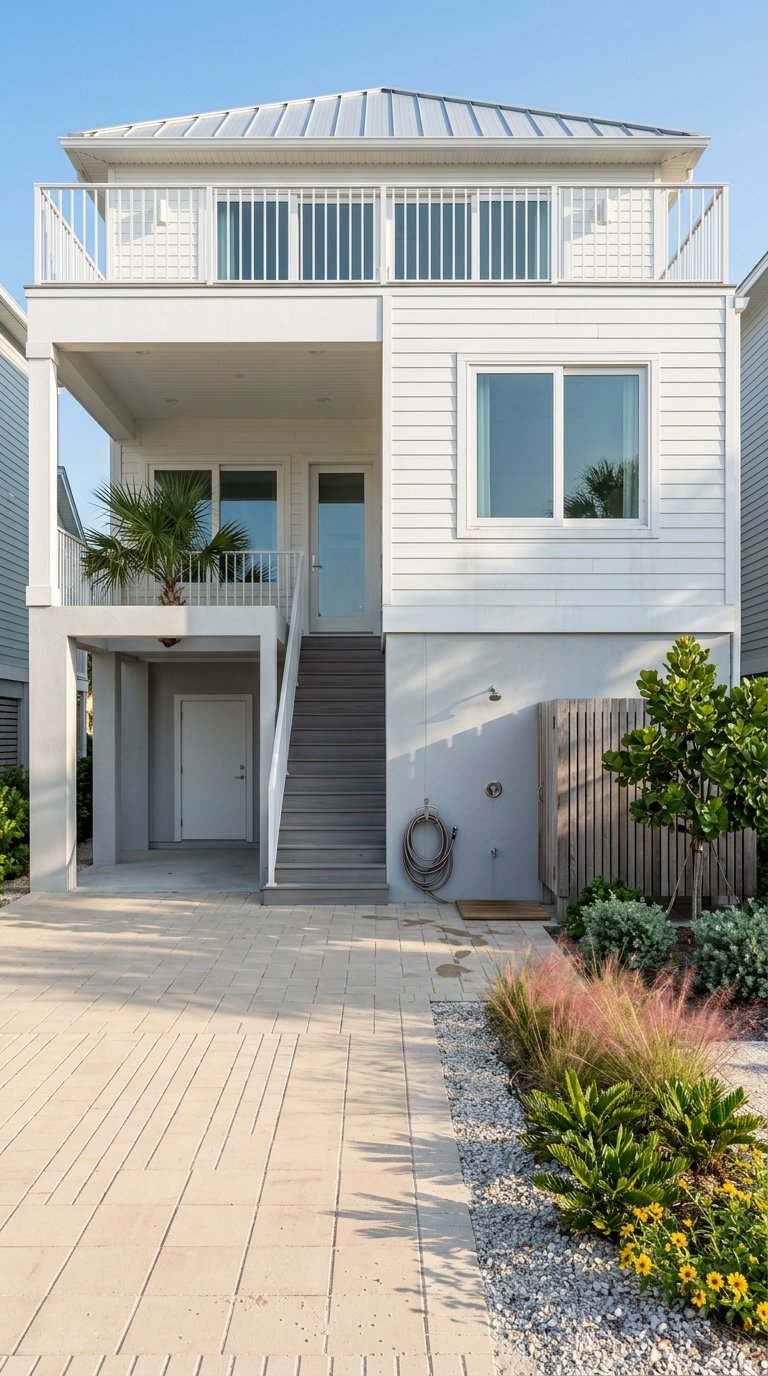
If you are looking at Anna Maria’s north end as a vacation rental play, it helps to look past the postcard appeal and focus on what actually drives performance. Buyers are often drawn to Bean Point sunsets, Pine Avenue strolls, and the easy beach-town rhythm, but rental potential comes down to a mix of location, layout, rules, and day-to-day execution. This guide will help you assess what matters most on the north end so you can evaluate opportunities with clearer expectations. Let’s dive in.
Why the North End Stands Out
The north end of Anna Maria has a distinct identity within the island market. The City of Anna Maria describes itself as a residential community at the northern end of Anna Maria Island, and official city and chamber materials tie the north-end experience to Bean Point, the City Pier area, Bay Front Park, Gulf Front Park, and Pine Avenue.
For you as a buyer, that matters because rental appeal here is not just about being close to the Gulf. It is also about walkability, access, and the overall guest experience. The island trolley’s route from Coquina Beach to the City Pier reinforces how connected this area is for visitors moving around the island.
Walkability Shapes Demand
On the north end, convenience can be a major differentiator. The city map shows beach access points throughout the area, and Pine Avenue serves as a well-known shopping and pedestrian corridor, giving nearby homes a practical edge for guests who want to park the car and explore on foot.
That means a home’s rental potential is often tied to more than straight-line distance to the sand. If guests can comfortably walk to the beach, Pine Avenue, or the pier area, the property may stand out more clearly against less walkable options.
Beach Access Matters
Easy access to the beach remains one of the strongest demand drivers. Guests booking on Anna Maria Island often want a simple, low-friction stay, and homes near established beach access points can better support that expectation.
When you compare properties, it helps to think in guest terms. How easy is the walk? Is there a straightforward path to the beach? Does the location support the kind of stay visitors picture when they choose the north end?
Pine Avenue Adds Convenience
Pine Avenue contributes more than charm. It functions as a community shopping and pedestrian destination, which supports the idea that north-end homes can compete on lifestyle convenience as much as pure beachfront proximity.
For rental analysis, that makes nearby homes worth a closer look. A property that gives guests quick access to shops, dining, and island activity may have broader appeal across different trip types.
Property Features That Can Improve Appeal
A strong location gets attention, but the property itself still has to work for guests. On Anna Maria’s north end, some features are especially important because of local beach rules, parking enforcement, and the preferences of short-term rental travelers.
Outdoor Space Carries Real Value
According to the city’s beach regulations, alcohol, glass, pets, grills or fires, bicycles, and motorized vehicles are prohibited on the beach, and grills are only permitted in Bay Front Park. The city also notes that parking laws are strictly enforced and that quiet hours run from 10 p.m. to 8 a.m.
In practical terms, that can make private outdoor amenities more meaningful than generic listing photos suggest. Features like a pool, fenced yard, rinse-off area, and comfortable outdoor seating can improve the guest experience because they give visitors ways to enjoy the property itself, not just the shoreline.
Off-Street Parking Is a Real Asset
Parking is easy to overlook during a showing, but it should be part of your analysis. Since the city says parking laws are strictly enforced, homes with adequate off-street parking may offer a more user-friendly setup for groups arriving in multiple vehicles.
For investor-owners, this can affect both convenience and guest satisfaction. A beautiful home with limited parking may face a practical disadvantage compared with a similar property that handles arrivals more smoothly.
Bedrooms and Baths Affect Group Fit
The city’s 2025-26 rental resolution reported 759 registered vacation rental properties as of December 31, 2024, with an average permitted occupancy of 7.96 persons. The same resolution also notes that fees scale with allowed occupancy, making occupancy limits part of the operating equation.
At the same time, AirDNA’s Anna Maria overview shows a market weighted toward larger whole-home inventory. Its platform data indicate that 32% of listings are 3-bedroom homes, 28% are 4-bedroom homes, and 12% are 5+ bedroom homes, while 99% are classified as entire homes.
Taken together, those data points suggest that larger-format homes are a core part of the local market. Bedroom count matters, but bath count should be reviewed carefully against direct comparables rather than assumed from bedroom count alone, since guest comfort often depends on how well a home handles groups in practice.
Use Market Data as a Guide
Rental numbers can help you frame expectations, but they should never be treated as a promise. The best approach is to use historical data as a directional benchmark, then narrow your analysis to the north end and to comparable homes.
AirDNA’s Anna Maria overview reports 969 properties, a 91 market score, 64% occupancy, an $800.60 average daily rate, $108.4K annual revenue, and $514.90 RevPAR. Those are broad platform-level averages, not guaranteed outcomes, but they can still be useful when you are comparing property types and submarket strengths.
Seasonality Is Part of the Story
Manatee County tourism reporting shows clear seasonal swings. As covered by The Islander’s summary of Tourist Development Council updates, June 2025 tourist accommodations posted 69.7% occupancy and a $321.38 ADR countywide, while vacation rentals specifically averaged 67.5% occupancy and a $482 ADR.
For the broader summer period, vacation rentals averaged 58.6% occupancy, a $403.75 ADR, a 5.4-night average stay, and a typical party size of three people. March 2025 tourist-tax revenue topping $5.3 million countywide is another sign that spring demand remains important.
For you, that means north-end performance should be viewed through a seasonal lens. A home may attract strong spring demand, solid summer traffic, and different booking patterns depending on size, walkability, and amenity package.
Watch for Storm Distortion
Historical comparisons on Anna Maria Island need context. Manatee County’s June 2025 action plan notes that 2024 hurricanes temporarily closed many island hospitality businesses, bookings nearly stopped in October, and by late November only about half of vacation rental properties in the Bradenton and Anna Maria area had resumed operations.
Because of that disruption, single-year snapshots may tell an incomplete story. Like-for-like seasonal comparisons are generally more useful than relying too heavily on one unusual period.
Rules Can Affect the Numbers
Rental potential is not just about revenue. It is also shaped by compliance, timelines, taxes, and the practical work of operating the property.
The city’s vacation rental rules and regulations require annual registration. Owners must provide active DBPR and Florida Department of Revenue registrations, proof of a Manatee County Tax Collector account, site and floor sketches, and an annual inspection before a new rental may be advertised.
That process matters if you are buying with the goal of near-term rental use. A property may look turnkey at first glance, but your timeline depends in part on whether documentation, inspection readiness, and local compliance pieces are already in place.
Tax Burden Should Be Included
The county Tax Collector states that the 6% tourist tax increase took effect on January 1, 2025, and that rentals of six months or less face a combined 13% tax burden when state sales tax is included. That is an important operating reality for any buyer underwriting future performance.
When you estimate rental potential, include taxes alongside management, maintenance, turnover, utilities, and reserves. A disciplined review gives you a much better picture than topline revenue alone.
Management Quality Often Makes the Difference
Even in a high-demand destination, results depend heavily on execution. AirDNA identifies several of the largest managers in the Anna Maria market, which is a helpful reminder that pricing strategy, guest communication, cleaning coordination, and maintenance response all shape real-world performance.
In other words, location is powerful, but operations still matter. A well-positioned north-end home can underperform if the guest experience is inconsistent, while a thoughtfully managed property may be better able to compete within its category.
How to Evaluate a North-End Opportunity
If you are comparing homes on Anna Maria’s north end, it helps to use a simple decision framework. Focus on the factors that are supported by local data and that clearly affect guest appeal.
Here is a practical checklist:
- Walkability: How easily can guests reach the beach, Pine Avenue, and north-end attractions on foot?
- Beach access: Is access simple and appealing for visitors carrying chairs, towels, and gear?
- Outdoor living: Does the home offer a pool, yard space, rinse-off area, or other features that support time off the beach?
- Parking: Is there enough off-street parking for the likely guest group?
- Layout: Do the bedroom and bath counts fit the size and style of traveler you want to attract?
- Compliance: Are registration, inspections, and required documentation current or easy to complete?
- Management plan: Will the property be professionally managed, and how will pricing, turnover, and maintenance be handled?
- Comparable performance: How does the home stack up against direct comps rather than island-wide averages?
The Bottom Line on Rental Potential
On Anna Maria’s north end, rental potential is best viewed as a combination of location, livability, and operational discipline. Homes that pair beach access, Pine Avenue walkability, whole-home layouts, and guest-friendly outdoor features may be well positioned within the market, but strong results still depend on realistic benchmarking and careful execution.
If you want to evaluate a specific property, compare it against direct north-end competitors, review the local rules early, and treat market averages as a guide rather than a guarantee. If you are considering a purchase on Anna Maria Island and want a clear, discreet conversation about fit, timing, and property selection, connect with Kathy Harman.
FAQs
What affects vacation rental potential on Anna Maria’s north end?
- Walkability to the beach and Pine Avenue, whole-home layout, outdoor amenities, off-street parking, local compliance, and management quality all play a role.
How important is Pine Avenue for Anna Maria rental appeal?
- Pine Avenue adds convenience and pedestrian access to shopping and island activity, which can strengthen a property’s guest appeal beyond simple beach distance.
What rental rules apply to Anna Maria vacation properties?
- The city requires annual vacation rental registration, active state accounts, a Manatee County Tax Collector account, site and floor sketches, and an annual inspection before a new rental can be advertised.
What taxes apply to short-term rentals in Anna Maria?
- According to the county Tax Collector information cited by the city, rentals of six months or less face a combined 13% tax burden when tourist tax and state sales tax are included.
How should you compare Anna Maria rental income data?
- Use island-wide platform averages as directional benchmarks, then compare a property against direct north-end comps and similar seasonal periods for a more reliable analysis.